


 Copy Link
 Share
to X
Share
to X
 Share
to Facebook
Share
to Facebook
 Share
to LinkedIn
Share
to LinkedIn
 Share
on Email
Share
on Email
Winter (break) is coming.
Winter break is a joyful, relaxing time filled with extra family moments. It can also be stressful because, well, it’s filled with extra family moments: activities, meals, travel, and just managing the extra interactions, and sometimes tensions, that can arise when everyone’s at home together all day long.
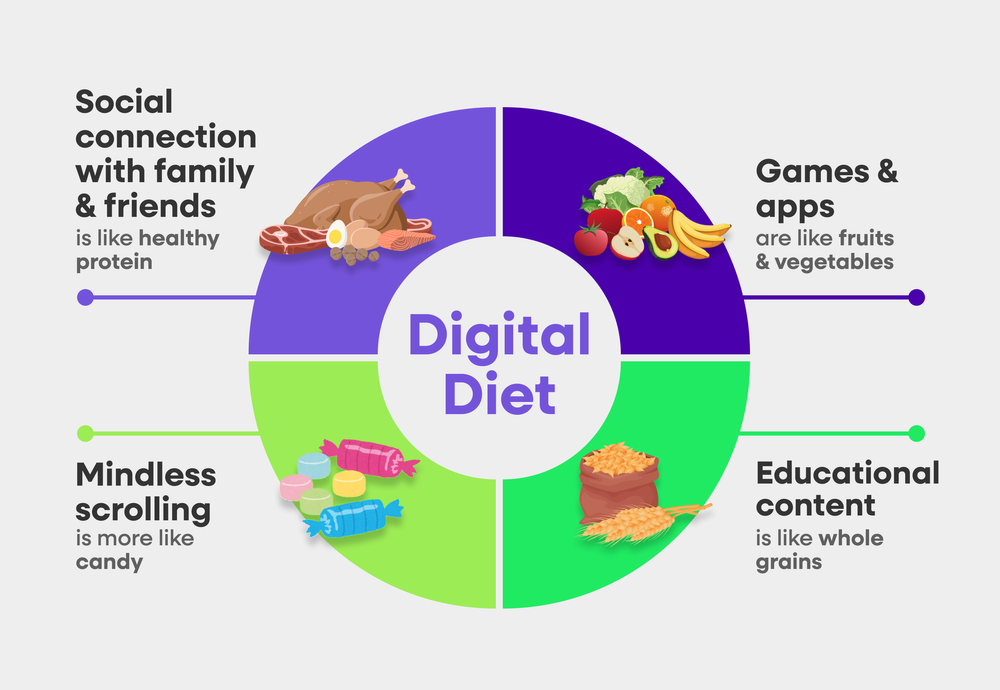
With loose schedules and more downtime comes a little more screen time. Approach holiday screen time like holiday food: a few more indulgences are just fine during the season of celebration. I’m not saying blow up your Digital Diet, but a few more “digital cookies” are perfectly fine.
As you load up all the holiday movies, also consider the wealth of family-friendly video games that offer active screen time. Games are a great option for holiday break cuddles because they help with:
- Stress relief
- Winding down
- Mood management
- Family bonding
And isn’t that what the break is for, anyway? Relaxing, spending time together, and having quality family time.
Nurture is a kids’ app that develops Life Readiness skills such as creativity, curiosity, and critical thinking. All the more important in the age of AI, they're developed through fun, interactive, story-driven adventures. Nurture Academy — that’s where you are right now! — is for parents learning what it takes to raise smart, happy, and resilient kids in our increasingly digital world. We’re glad you’re here!
Read on, then discover how Nurture works or get the app.
Co-Play Is the Secret Ingredient of Holiday Screen Time
One of the best parts of winter break is that everyone slows down at the same time. Parents are off work. Kids are out of school. Cousins, grandparents, and out-of-town relatives are suddenly in the mix. It’s one big, cozy swirl of togetherness.
That’s where co-play comes in: a fun, interactive, and modern way to get everyone hanging out and making memories together.
Interactive and together are some keywords there. Co-play doesn’t mean the kids play while the grown-ups monitor from the couch or cook dinner in the kitchen. While yes, you might need screen time here and there to get a few grown-up chores done uninterrupted, that’s not what co-play is about. It’s about sitting down beside the kids, picking up the controller, and entering their world.
Especially during the holidays, those connective moments make a huge difference.
For young kids especially, co-play strengthens all the things we hope blossom during winter break anyway:
- Emotional closeness
- Patience
- Flexibility
- Shared joy
When you join them in their digital play, you’re helping them practice turn-taking, frustration management, and perspective-taking, all without a lecture or lesson plan. It’s learning by being together.
Don’t get shy if you don’t know what you’re doing, either. Kids actually love being the teacher, taking on the role of leader when you step into their game, literally. Plus, it’s a chance to show them how to lose gracefully and have fun even when you fail.
You might also have the chance to start on equal footing if they get a new-to-everyone game as a gift. If they just unwrapped it, then no one is the expert, everyone is fumbling the buttons, and the playing field is delightfully, hilariously level.
Go ahead and pre-load this opportunity if you’re so inclined. Pick out a game you’d love to play with them and drop it in their — or your — stocking (or hand it over to Santa). You could check out Mario Party or Mario Kart — some of my favorite family game night options — or something that appeals to your interests. Sports, racing, adventure, digital board games, or favorite characters are a great place to start: “Hey, this one’s in my stocking. Want to learn it together?”
Not sure how to start co-playing? Here are some ways to get the conversation going:
- “Can you teach me how this part works?”
- “What do you like most about this game?”
- “What should I try next?”
These questions hand kids the role of expert, which feels empowering and joyful for them and makes your entry into the game feel natural, not forced.
You might be surprised by how much fun you have, how much it brings the family together, and relish in the opportunity to show how good Mom is at dodging Koopa shells (spoiler: I’m great).
Rethink “Rules”: Use the Digital Diet
Holiday school breaks can disrupt the family's rhythm and screen-time expectations. Over these extended breaks, I like to think of screen use the same way I think about holiday eating: we all enjoy a few more treats, a little more cozy comfort food, and yes, more cookies.
Even Santa spends the entire night snacking on them! A slightly sweeter Digital Diet is part of the season.
But let’s keep in mind that screen time isn’t just “sugar,” and neither is digital play. Parents might think of games as those extra-sweet sugar cookies with icing from the grocery store (we all know the ones), pure treats, but they’re actually more like secretly nutrient-packed cookies. The ones with hidden spinach or black beans tucked inside.
Children experience video games as fun and exciting, but beneath the surface, they support emotional regulation, creativity, social skills, and a sense of connection. They’re nutrient-dense treats, not empty calories.
During winter break, treat screens the way you treat holiday meals:
- A little more is expected: A heaping plate is a great way to celebrate abundance.
- A little indulgence is normal: It’s the gifts we give ourselves (and our tummies and our brains).
- Nobody needs guilt to enjoy it: Just like any holiday-time guilt, sometimes the feelings do more damage than whatever caused them in the first place.
Ditching the screen-time guilt can seem hard, even counterintuitive, but research shows that guilt and shame tend to backfire. They increase conflict, reduce communication, and make it harder for children to develop self-regulation. Just like you wouldn’t narrate calories over the birthday cake (please, eat the cake!), you don’t need to stress over “too much screen time” all winter break. Comfort and connection take priority.\
If it helps, create a simple “holiday digital plate” to guide your family’s rhythm. Not a rigid schedule, but a loose, cozy assortment of digital “food groups” that keeps things balanced:
- A little creativity
- A little co-play
- A little learning
- A few digital cookies
- A mix of non-screen activities in between
This approach gives you structure without pressure. It tells kids: Yes, you’ll get more screen time this week — and yes, we’ll still mix in movement, rest, play, and family time.

It also tells you: you’re not failing if your kids are enjoying more games, laughing at silly moments, or settling into the emotional coziness of gameplay.
Winter break is supposed to feel different. Let your Digital Diet feel different, too!
Build a Flexible Winter Break Rhythm
Winter break has a way of melting the usual family routine like snow on a warm porch. Bedtimes drift, mealtimes shift, and the weekly schedule is completely upended. But you can still bring intention and rhythm to this delightfully out-of-sync end-of-year togetherness.
When it comes to screen time, there’s no need for strict rules and timers. Lean toward predictability, structure, and flexibility. That might mean a roughly outlined routine like: Offline play → Digital play → Movement → Quiet time → Show or movie → Family activity.
Not a schedule, but a cadence. A holiday grab bag of options that mix in every type of moment, and stays open to more or less of one or another from day to day.
However, it can be helpful to drop some anchors to put some sense of guidelines around holiday break screen time, such as:
- No screen time until after breakfast, to safeguard those cozy morning moments when you don’t have to rush out the door
- Keeping the digital devices away from mealtimes, so you can revel in the extra connection time.
- Shutting down devices at least one hour before bed — not just for good sleep, but for (you guessed it) some extra cozy snuggle time.
Anchors like these feel especially grounding and regulating for young kids, who thrive on predictable transitions even when everything else is looser than usual.
And again, don’t feel guilty when you turn to screen time to help when:
- Kids are in bed sick
- You’re on a road trip to Grandma’s house
- The weather keeps you indoors
- You need extra time to prep the holiday meal
- Everyone (or even just you) need a break — holidays can also be stressful
Kids will start to give you cues that they need some other activity to regulate emotions, move their bodies, and mix up their brainwaves. Consider a screen-lite day if the kids are:
- Feeling extra restless
- Arguing over devices or screen time transitions
- Having difficulty shifting to other activities
That’s simply a signal that their body or brain needs a reset — movement, a snack, fresh air, or a quick cuddle can bring things back into balance.
Winter break is supposed to feel different. Let the rhythm shift with the season, the energy in your home, and the needs of your child.
Mix Digital and Offline Activities for a Fun, Balanced Break
Once screens become part of a cozy winter rhythm, it helps to keep the rest of the day feeling just as varied and enjoyable. The goal isn’t to counterbalance digital play with “productive” activities. It is simply to offer kids a mix of experiences that support their mood, energy, and imagination in other ways, too.
Think of digital play as inspiration, not isolation. Many games spark ideas that naturally spill into the real world. A building game might lead to LEGO creations on the living room floor. A cozy café simulator might inspire kids to set up a “bakery” in the basement.
Try pairing screen time with real-world activities:
- After a holiday movie → draw a favorite scene or character
- After a building or crafting game → build something together with blocks, cardboard, or decorations
- After a nature-themed game → head outside for a short walk or backyard “explorer mission”
And of course, there are the classic winter break comforts: baking cookies, decorating, fort-building, dancing around the living room, or pulling out an actual board game. These activities round out the day, giving kids a range of sensory, social, and movement-rich experiences.
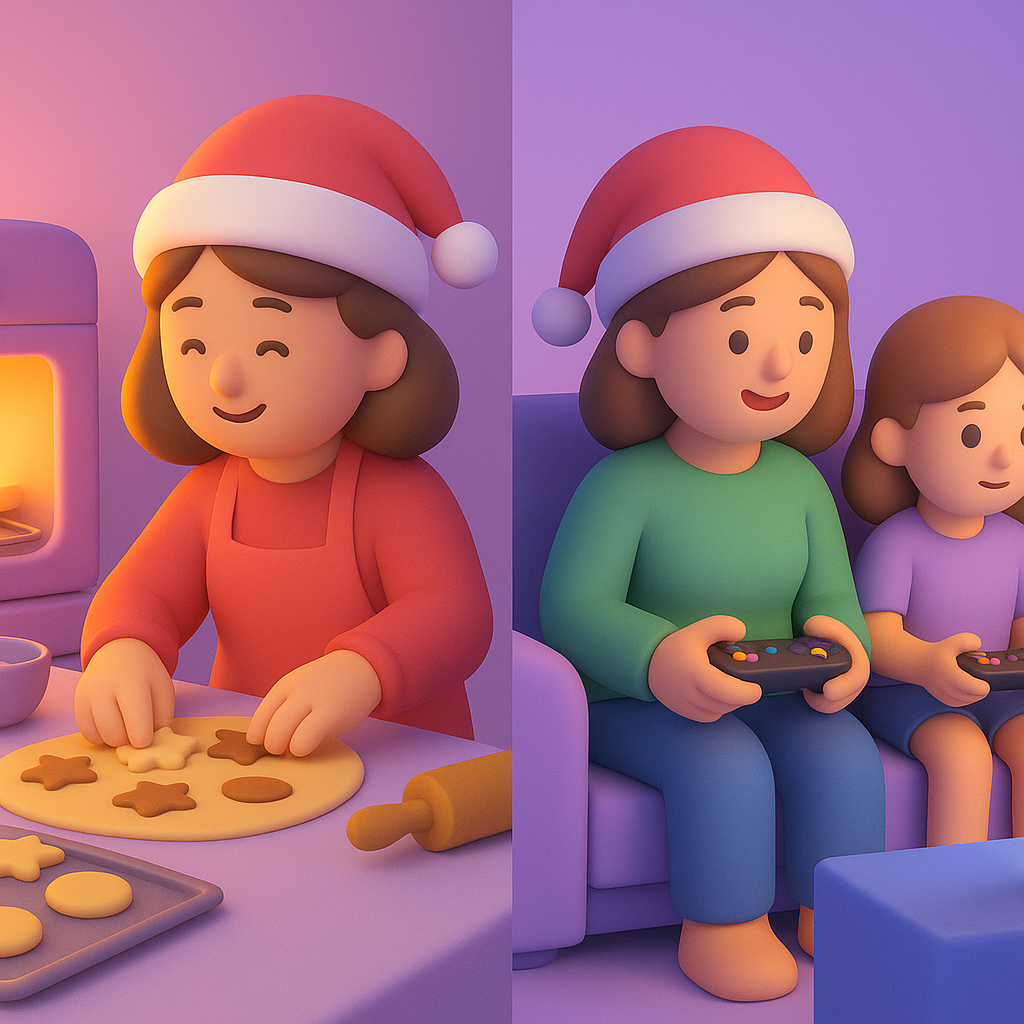
Young children particularly benefit from this natural back-and-forth. A little screen time settles their mind, a little movement resets their body, and a little hands-on play recharges their creativity. It doesn’t need to be planned or perfect, just gently offered as the day unfolds.
Parent Check-In: Modeling Expectations
Before you move into the rest of winter break, take a moment to check in with yourself, too. Kids learn far more from watching how we use technology than from any rule we set.
If you want to model healthy habits, you just need to focus on intention and presence. My top tip? Put your phone down during the moments that matter most to you, like:
- Breakfast
- Gift-opening (except for pictures, of course)
- Family dinner
- Bedtime snuggles
At other times, appreciate the unique value of screens. The holidays come with more cozy lounging, more tired evenings, and more “let’s all pile on the couch and do nothing” moments. Let screens be part of that comfort without judgment.
And remember: winter break puts additional pressure on parents, too. There’s cooking, hosting, traveling, cleaning, and navigating big emotions (yours and theirs). Screens can give you a moment to breathe, regroup, or simply exist for a minute.
Most importantly, release the idea that everything needs to be optimized. Not every screen moment has to teach a lesson, build a skill, or meet a goal. Some moments are just silly, cozy, or downright ridiculous — think giggle-filled battles in Stick Fight or an impromptu Mario Kart tournament that gets Grandpa unexpectedly competitive.
Let those moments in.
A gentle mindset, realistic expectations, and a little holiday flexibility go a long way.
Happy Holidays!
Winter break isn’t about perfect routines or perfectly limited screen time. It’s about connection, comfort, and creating memories as the year winds down.
A few extra “digital cookies” won’t hurt, especially when they’re paired with cozy moments, shared play, and a rhythm that feels good for your family. Lean into what brings joy, let go of the guilt, and enjoy this sweet, slow time together.


